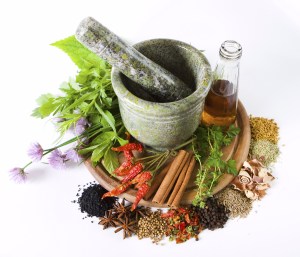
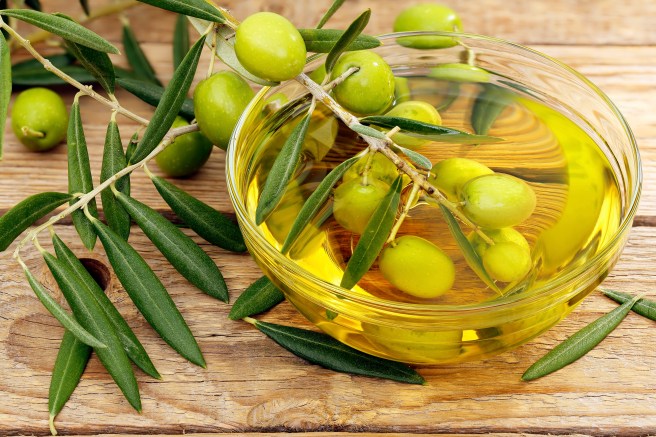
They are all wonderful foods containing amazing phytochemicals (plant-derived compounds understood to be responsible for their health benefits) that fight against cardiovascular disease; the general term used to describe a group of disorders of the heart and blood vessels and regarded as the leading cause of morbidity and mortality in the western world. In order for me to give you the why on each of these amazing foods I’ve decided to break this post up into 3 parts so not to leave any stone unturned? Part 1 will focus on olive oil.
Olive Oil has had a mixed run over the past few years – is it good for me or is it not? While I’m not an expert I’m here to give you the facts. Numerous studies indicate that it is the phytochemical – polyphenols found within olive oil particularly; hydroxytyrosol and oleuropein which exert the greatest therapeutic and beneficial effects on the cardiovascular. Oleuropein and hydroxytyrosol have been shown to lower and even inhibit LDL oxidation (LDL often referred to as bad cholesterol because it transports and deposits cholesterol and other lipids to peripheral cells and oxidation = more reactive with surrounding tissues, possibly producing tissue damage), improve blood cholesterol profiles, reduce inflammatory markers, and reduce the risk of potentially lethal thrombosis. Oleuropein has also been shown to inhibit platelet aggregation and uptake of LDL as well as having the ability to scavenge nitric oxide and increase nitric oxide production which acts by stimulating arterial smooth muscle relaxation; all actions associated with reducing the risk of CVD onset and progression.
In a randomised controlled trial by Konstantinidou et al. (2010), results showed olive oil polyphenols decreased systemic inflammatory markers and lipid oxidative damage which may play a significant role in the prevention of atherosclerosis, CHD and overall CVD. These findings are supported by a previous randomised clinical trial by Marrugat et al. (2004) which concluded that virgin olive oil (VOO), shown to contain a higher content of polyphenols, oleuropein and hydroxytyrosol due to it undergoing less possessing than regular olive oil; was more effective in raising high density lipoprotein (HDL) cholesterol levels and protecting against LDL oxidation than the other types of olive oil.
The important thing to remember with olive oil is go for virgin or extra virgin, as mentioned above it tends to contain more of the beneficial polyphenols and note that cooking with olive oil changes its chemical structure which research suggests may be more harmful than good. Therefore rather than using it in your cooking, try having it with your bread instead of butter and mixing in some lemon juice, salt and pepper for a super yummy antioxidant fuelled salad dressing. Enjoy and have a beautiful day!
WellWithNature xxx
P.S. Please note that I have references for all the information I provide in my pieces; however, to allow for easy reading I’ve chosen not to include them. If you ever have a question or would like clarity on where I’ve obtained certain pieces of information please ask. I’m more than happy to share.
 WellWithNature
Love this! Ive always wanted to know if oil is good for me! Thanks for sharing that info! x
LikeLiked by 1 person